

By. Lawrence T.
A glimpse of the historical and valuable story of the megapolitan city of Jakarta
Jakarta, like other major historic cities around the world, holds many historical stories of memories from the past. These stories form the foundation and character of Jakarta, along with its citizens. For many Indonesians, Jakarta is both a tough city full of struggle and a city of dreams for changing destiny. Is that a reflection and symbol of the stories of these 17 most well-known and historically valuable historical sites in Jakarta? Perhaps. Let’s take a look…
1. Old Town Batavia
(Complex of the Center of the Dutch Colonial Era)
Address: Part of West & North of Jakarta
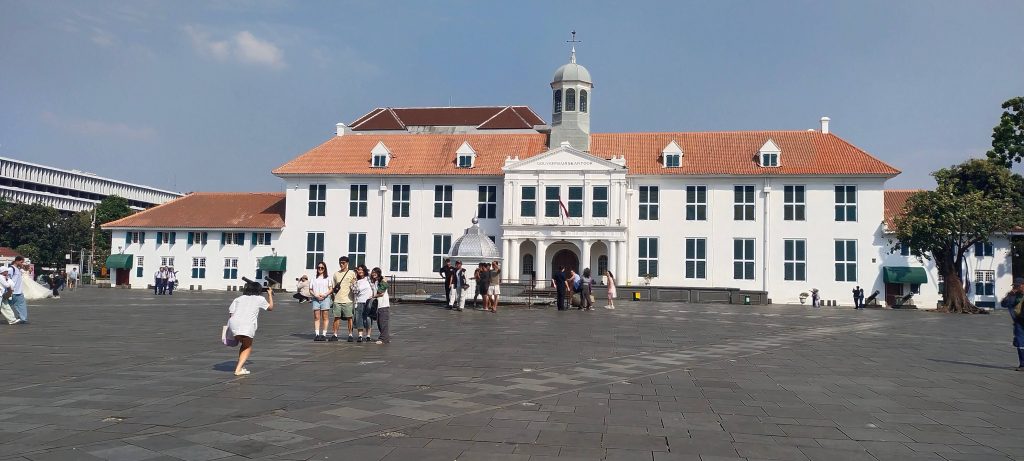
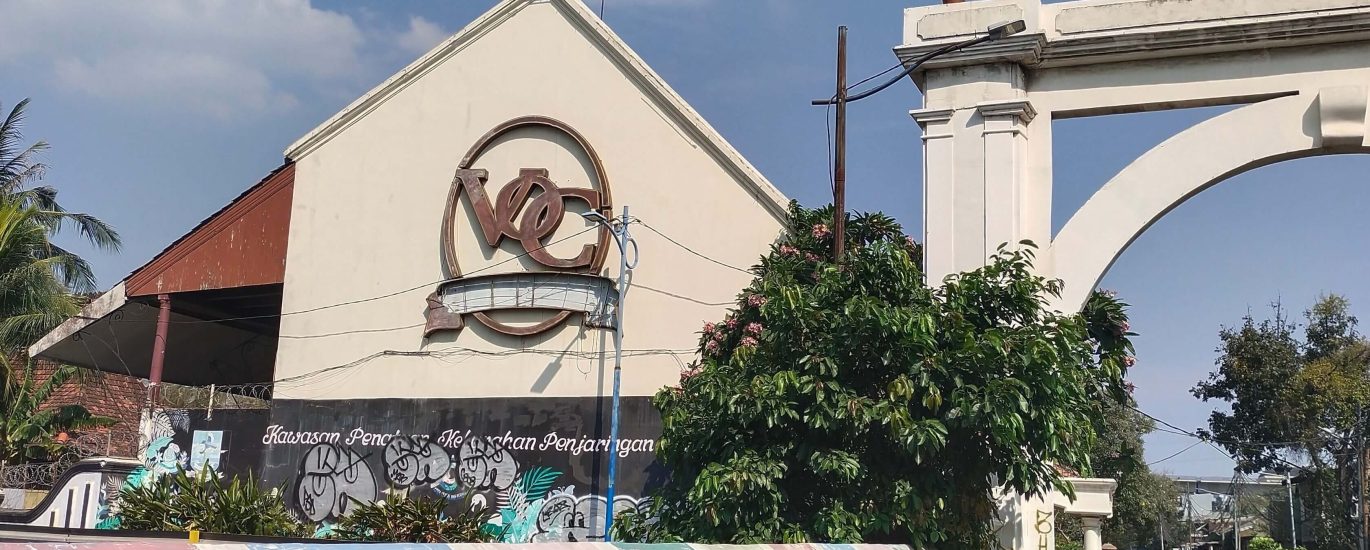
Indonesia was ruled by the Dutch in the past. According to history, Cornelis de Houtman, a Dutch explorer, first landed at the port of Banten, Indonesia, in 1596 in search of spices and herbs. Banten located in the west of Java and close to Jayakarta (Jakarta). Since then, the Dutch been trying to control the island of Java. Then the Old City area of Batavia/Jakarta was built in stages starting in 1619, after the VOC (Vereenigde Oostindische Compagnie) led by Jan Pieterszoon Coen captured and destroyed the city of Jayakarta.
The construction of this new Dutch-style city was fully completed in 1650 and became the center of VOC power in the East Indies. Todays in this area stand the Fatahillah Museum (Jakarta History), Puppet Museum, Museum of Fine Arts & Ceramics, Bank of Indonesia Museum, Bank Mandiri Museum, and Café Batavia, all of which are Dutch art-deco style buildings. There’s also Jakarta City Train Station as a rail transportation route in the past until today.
2. Port of Sunda Kelapa
(The port of the Padjajaran kingdom and an international trade route since the 12th century)
Address: North of Jakarta
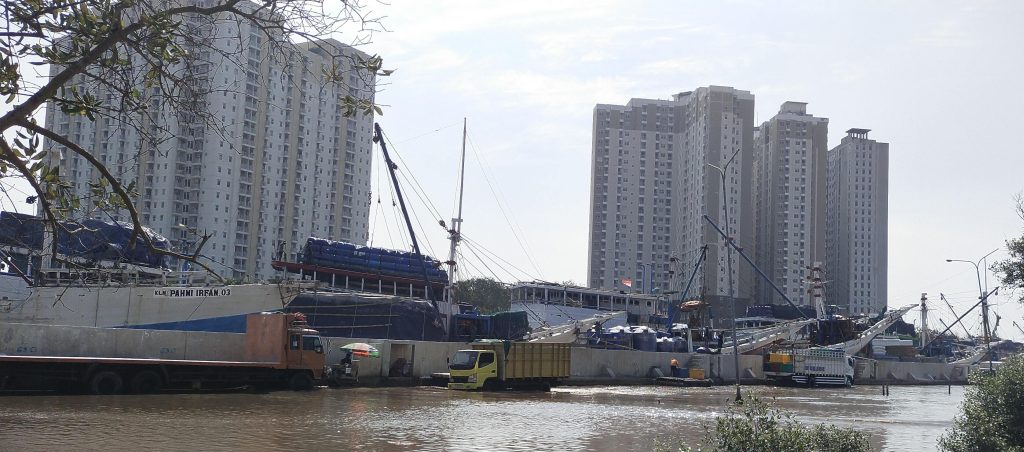
This unique port has been a trading and hub in Jakarta since the 12th century. It has been an international shipping route ever since, and the area remains much the same today, filled with wooden ships for domestic shipping within Java. These unique phinisi that carrying spices and various natural products can still be seen neatly lined up. Cargo carriers can also be seen passing between the ships, adding to the memories and uniqueness of this ancient port.
3. Museum Of Maritime 1718
(Dutch Colonial Government’s warehouse for herbs, coffee, and tea)
Address: North of Jakarta
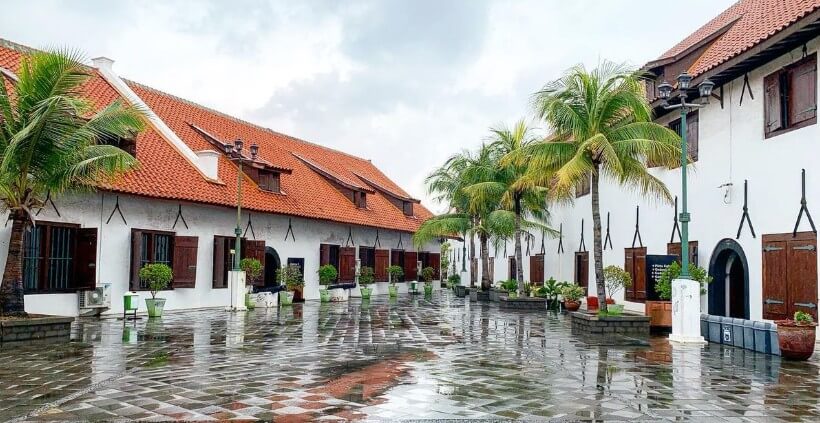
About 1 km from the old Sunda Kelapa Harbor stands the old Maritime Museum which houses collections related to Indonesian maritime affairs histories from Sabang to Merauke. The old building now as the Maritime Museum was once used as a warehouse for VOC commodities such as pepper, coffee, tea, textiles, tin, and copper. Built in 1718, the warehouse has two sides (East and West) and located right next to the Ciliwung River estuary which divides Jakarta.
4. Museum of Bank Indonesia
(De Javasche Bank of 1828)
Address: West of Jakarta
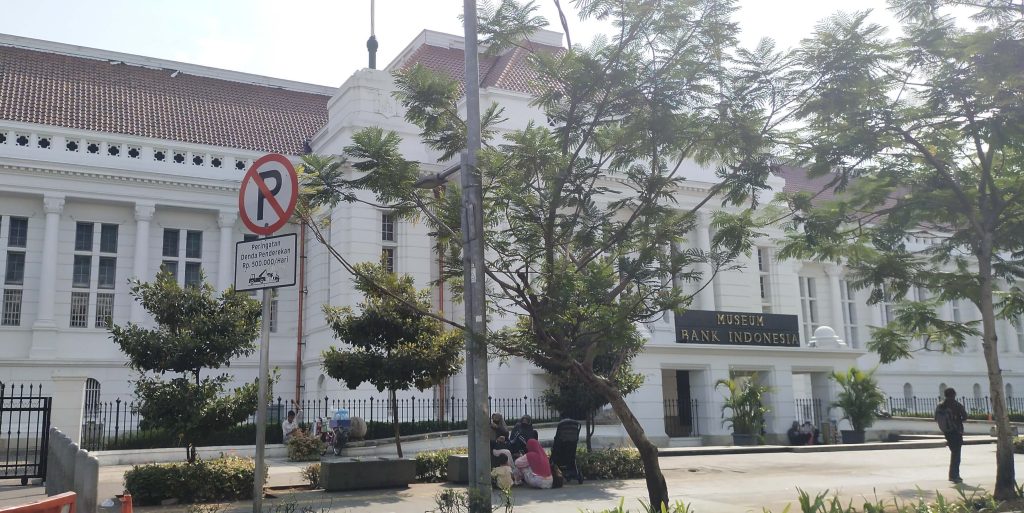
The BI Museum or De Javasche Bank was founded in 1828 as a circulation bank in the Dutch East Indies tasked with issuing Dutch East Indies guilders. This building was previously built on the site of former Batavia Inner Hospital (Binnenhospital), which was established in the early 18th century and abandoned in 1780 after the central hospital was moved to Weltevreden (Menteng area). In 1801, the building was sold to the trading company Mac Quoid Davidson & Co., before finally being purchased by De Javasche Bank in 1831.
The front facade of the building is Neo-Renaissance style with Javanese ornament. This bank continued as Indonesia’s central bank during the Japanese occupation in 1942 and after the Proclamation of Indonesian Independence in 1945. The Indonesian government still maintained De Javasche Bank as the central bank but it was changed to Bank Indonesia in 1953 and moved to a new building on Jl. MH. Thamrin in 1962 until today.
5. The National Museum
(The Indonesian oldest and biggest museum; holds 190.000+ of artifacts collection)
Address: Central of Jakarta
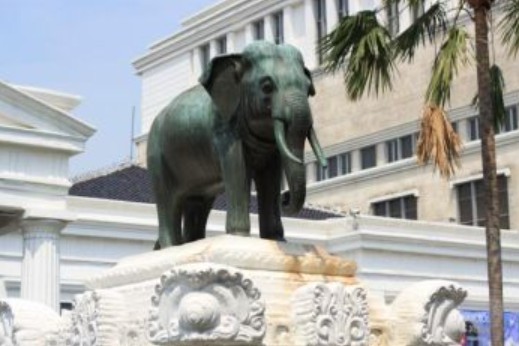
This museum is often called “elephant museum” because the King Chulalongkorn of Thailand gave it a bronze elephant statue in 1871, which was then installed in the front yard of the museum. As the first and largest museum in Southeast Asia, it houses archaeological, historical, ethnographic, and geographical objects. The National Museum building was built in the Classicist style as a manifestation of European influence, especially the spirit of the Enlightenment, which emerged around the 18th century. This building was built in 1862 by the government in response to the Bataviaasch Genootschap van Kunsten en Wetenschappen association (the oldest cultural and scientific institution) which aimed to examine scientific research in the Dutch East Indies.
6. Tugu Proklamasi
(The Declaration monument of Indonesian independence)
Address: Central of Jakarta
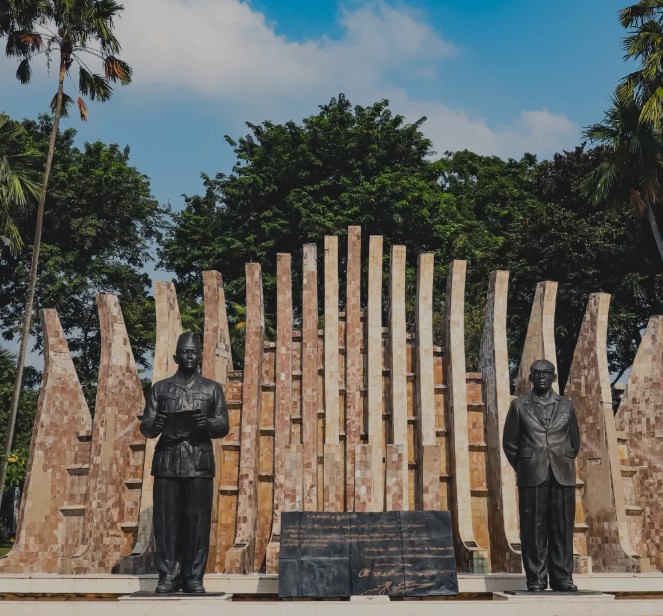
Tugu Proklamasi is a monument commemorating the Independence of the Republic of Indonesia. This historic complex also includes the Lightning Monument (the location where the text of proclamations was read) and the Monument of Presidents Soekarno and Hatta. The monument was first built on August 17, 1946, to commemorate the first anniversary of Indonesian independence. It consisted of a small obelisk marked with the inscription “17-8-45.” It was later dismantled and rebuilt in 1972 with a design closely resembled the original.
7. The National Monument
(The Symbol of the nation’s struggle for independence)
Address: Central of Jakarta
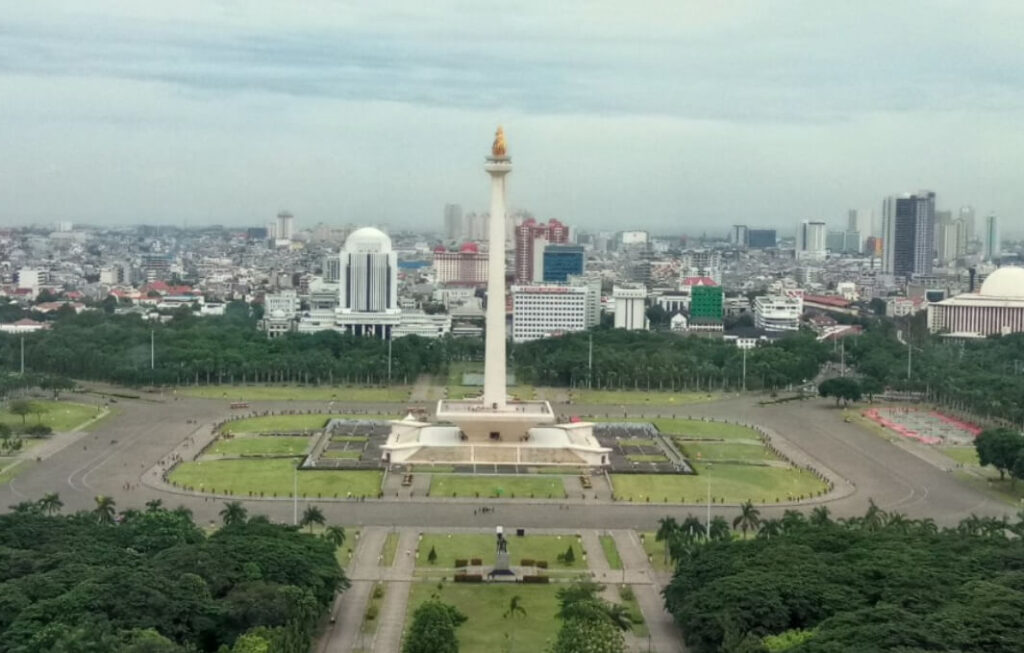
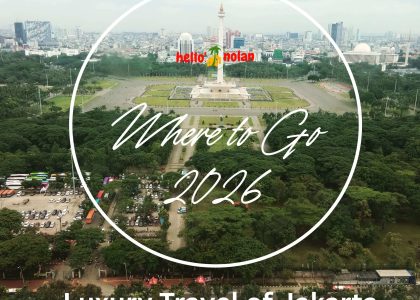
The National Monument (Monas) is a monument of pride for the Indonesian people, especially the Jakartans, and a symbol of the nation’s struggle for independence from the Dutch colonial. The 132-meter (433-feet) tall monument is crowned with flames and covered in gold. Construction began on August 17, 1961, designed by both architect Friedrich Silaban and Soedarsono during the administration of the first Indonesian President, Ir. Soekarno. There is a museum about Indonesian National History, which can accommodate approximately 500 visitors at the base of the monument, 3 meters below ground level.
8. Istiqlal Mosque and Cathedral Church
(The Indonesian symbol of religious harmony)
Address: Central of Jakarta
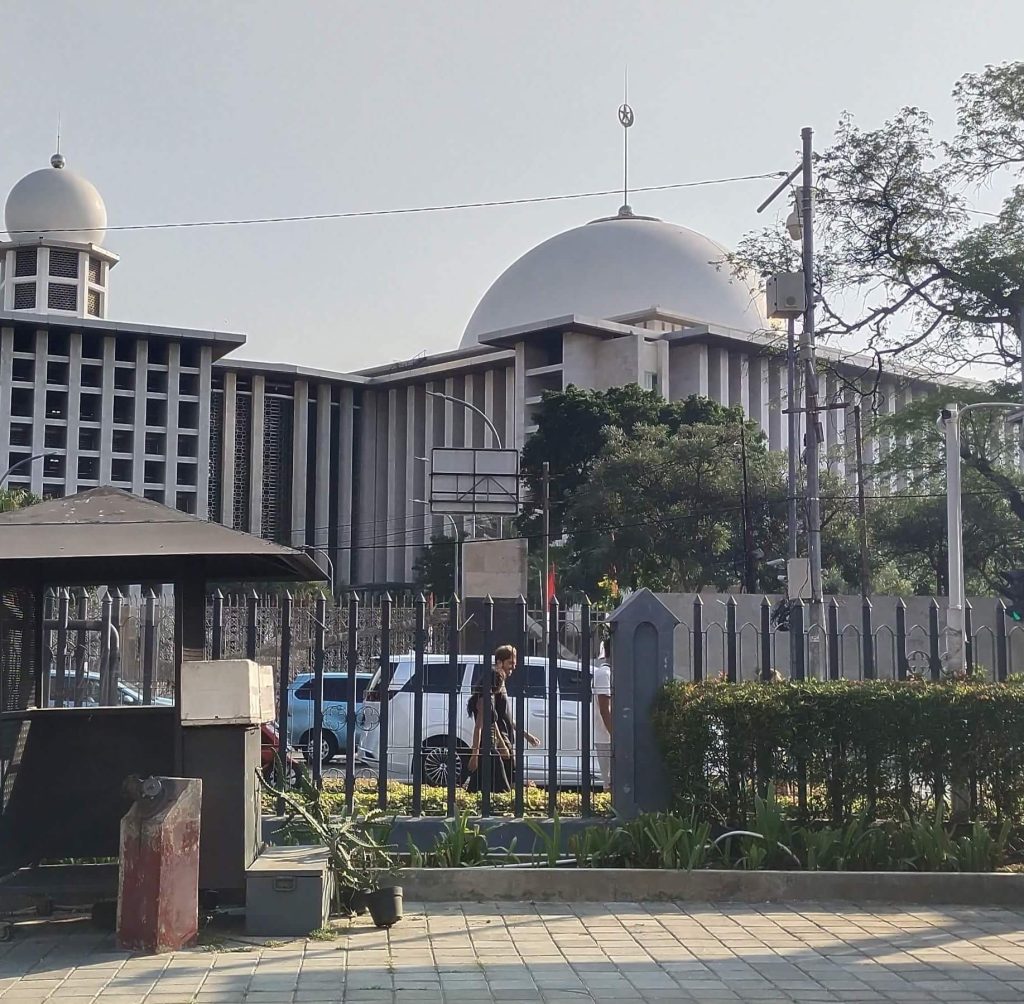
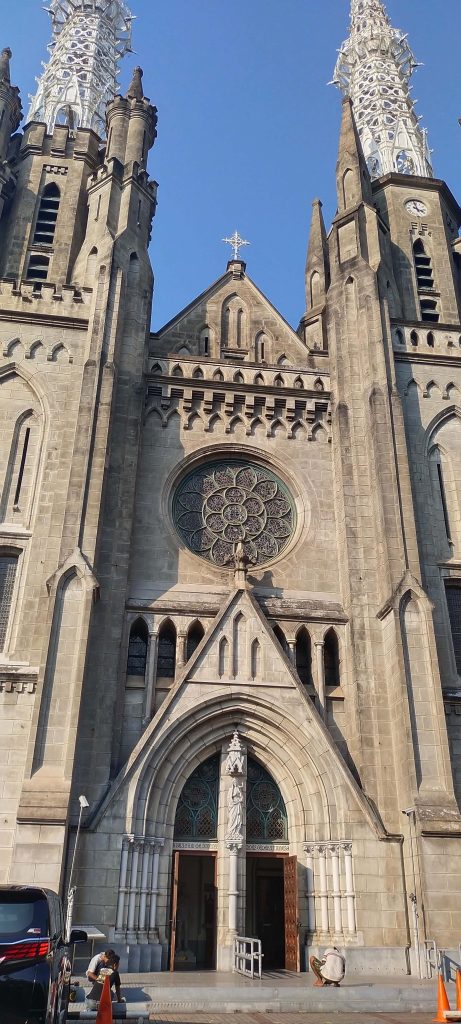
The Istiqlal Mosque and the Cathedral Church are located in the same area and adjacent to each other. These two historic sites symbolize the diversity and unity of the Indonesian nation. The Istiqlal Mosque, which means “Independence,” is the largest mosque in Southeast Asia and the eighth largest in the world, built in 1961 by architect Friedrich Silaban. Meanwhile, the Cathedral Church, officially named “The Church of Our Lady of the Assumption,” is a Catholic cathedral inaugurated in 1901 and built with European neo-gothic architecture. These two historic sites are connected by a tunnel of friendship, signifying religious tolerance in Indonesia.
9. Sion Church
(Portugese Buitenkerk 1692-the oldest church of Batavia)
Address: West of Jakarta
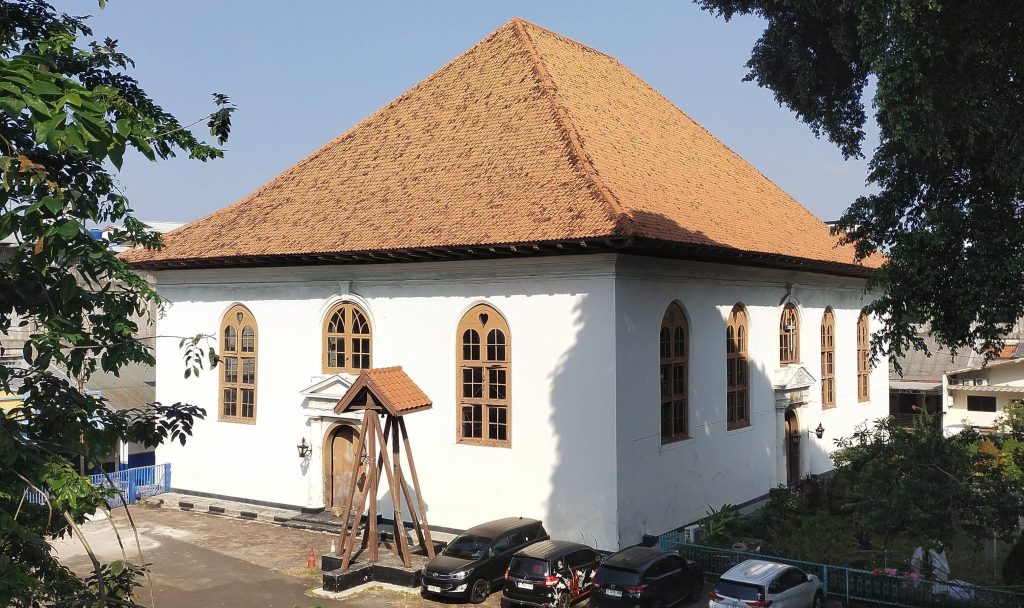
The Sion Church, built in the 17th century, is the oldest building in Jakarta still in use for its original purpose. It is also believed to be the oldest Protestant church in Asia still in active use. Its origins date back to 1676, as a simple church with Portuguese-language liturgy for the Mardijkers, as well as Christians of indigenous and mixed Batavian descent. It is often referred to as the Portugese Buitenkerk, or “Portuguese Church Outside the City.”
10. Istana Negara / Presidential Palace
(House of Governor General of the Dutch East Indies)
Address: Central of Jakarta
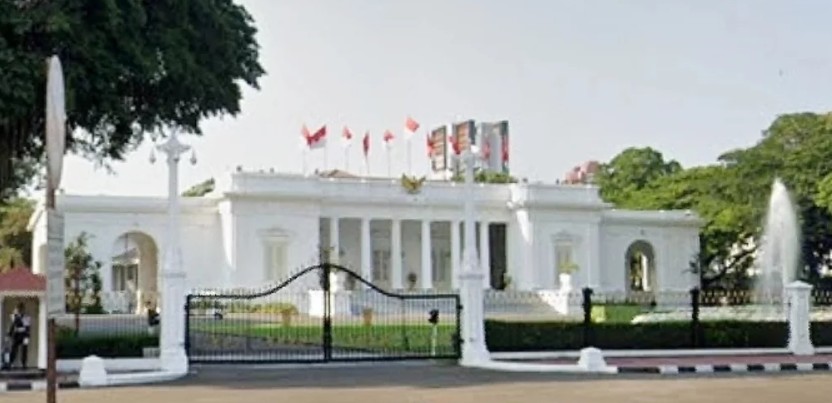
The palace, which is now used as the residence and state affairs of the President of the Republic of Indonesia, was originally used as the official residence of the Governor General of the Dutch East Indies until the Japanese occupation of Indonesia. The construction of the palace was carried out during the reign of Governor General James Loudon in 1873. The palace was built facing Koningsplein (now Jl. Medan Merdeka), and was inaugurated in 1879 during the reign of Governor General Johan Wilhelm van Lansberge after costing 360,000 Guilders. The palace was then named Paleis te Koningsplein (Koningsplein Palace), or people often call it Gambir Palace because of many gambier trees grows around Koningsplein Square.
11. Gedung Kesenian Jakarta
(Jakarta Art Building / Theater Schouwburg Weltevreden)
Address: Central of Jakarta
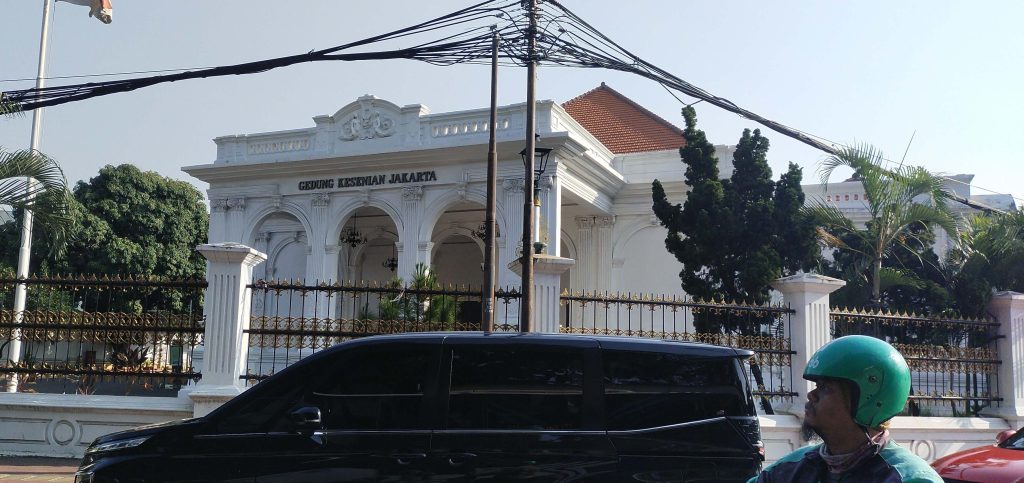
The Jakarta Arts Building is an old historic building, a legacy of the Dutch colonial government used for performing arts for high-ranking Dutch colonial officials. It later became a venue for artists from across the archipelago to showcase their artistic creations, including drama, theater, film, literature, and more. Built in 1821 in Weltevreden (the main European residence on the outskirts of Batavia), the building was a neo-Renaissance building. It was then known as the Theater Schouwburg Weltevreden, also known as the Comedy Building.
12. The Ereveld Antjol
(Dutch mass graves of Pacific War victims)
Address: North Jakarta
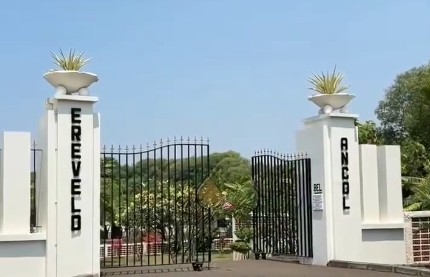
Ereveld Antjol is a Dutch wartime mass cemetery located in Ancol, North Jakarta. It is one of two Dutch war cemeteries in Jakarta, the other being Ereveld Menteng Pulo in Tebet. The cemetery was inaugurated on September 14, 1946. More than 2,000 Pacific War casualties are buried here, some of whom remain unidentified, including 1,328 members of the resistance against the Japanese occupation of the Dutch East Indies. A tree with a convex crown, nicknamed the “heaven tree” (Hemelboom), is shaped as if it were raising its arms to the sky and screaming in terror, suggesting the Ailanthus excelsa represents a gesture of despair. According to the reports from guards, several women were executed under this tree.
13. Monumen Pancasila Sakti, Lubang Buaya
(The monument of the bloodiest political tragedy in the era of Indonesian independence)
Address: East of Jakarta
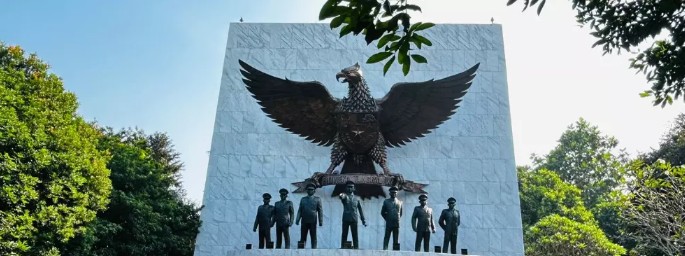
This monument commemorates Indonesia’s bloodiest political event in September 1965. The Indonesian Communist Party (PKI) rebellion in Jakarta, known as the 30 September Movement (G30S), abducted and murdered six General-officers and one First-officer in the Indonesian Army, whose bodies were dumped in Lubang Buaya, East Jakarta. Following the incident, the communist ideology which had long existed in Indonesia was banned. Completely changing the face of Indonesian politics after that.
14. Stadion Utama Gelora Bung Karno
(The oldest & the biggest sports complex in Indonesia)
Address: South of Jakarta
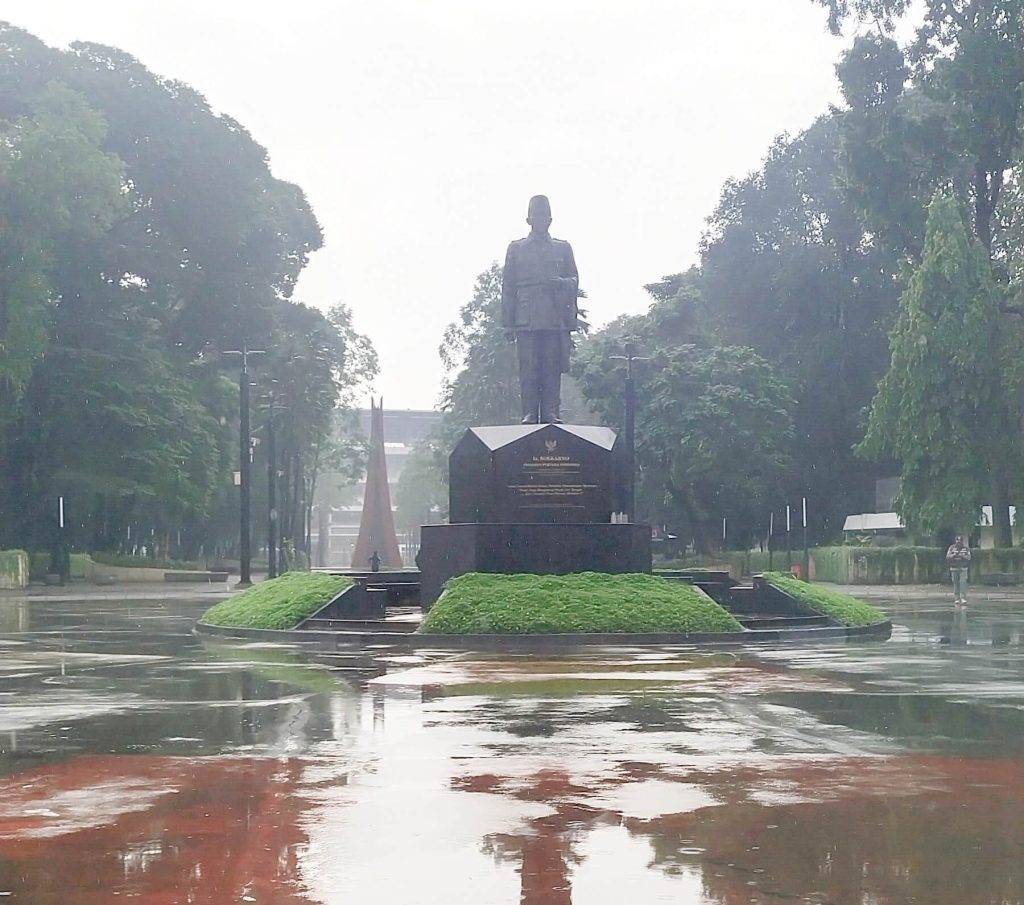
The Indonesia’s largest football stadium (SUGBK) is named in honour of the Republic of Indonesia’s first president, Sukarno, who also initiated the construction of this sports complex. When it first opened in 1962 for the 4th Asian Games in Jakarta, the stadium had a seating capacity of 110,000. During the 2016 renovation, all spectator seats were replaced with single seats decreasing the capacity to 78,000. The sports complex also includes a small swimming/aquatic stadium, a tennis stadium, a softball field, an Istora (Istana Olahraga/sports palace), the Indonesia Arena indoor stadium (basketball, etc.), the Jakarta Convention Center (convent & exhibition building), and the GBK city park.
Meanwhile, on the other sides located on the west-northwest of the complex’s main Stadium there is the Madya Stadium usually used for athletics and football. Currently, the Main Stadium GBK is the 28th largest association football stadium in the world and the 8th largest association football stadium in Asia.
15. Tjikini Post Kantoor
The nostalgic of sending letters, telegraphs, and goods around 1870
Address: Central of Jakarta
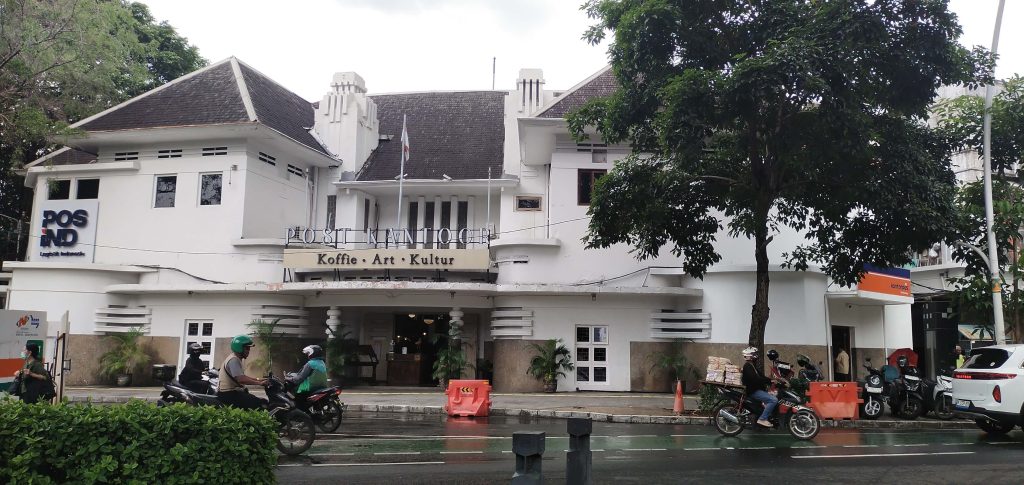
Sending letters, telegraphs, and goods was crucial in the past, just as the internet is used for communication today. Especially during times of war, security and guaranteed delivery were essential. Therefore, this historic post office was originally established during the era of the abolition of the forced cultivation system, around 1870 until the mid-20th century. Under the Dutch East Indies government, Cikini was projected to support the European residential area in Gondangdia, and Menteng.
The Tjikini Post Office built in 1920. As an art-deco style aimed to serve the delivery of various letters and goods and ensure the safety of residents’ letters, especially for traders coming from outside Java and frequently traveling to and from the Netherlands. Today, this historic post office still operates as it was intended, complemented by a creative space and the Bakoel Koffie cafe.
16. SDN Menteng 01, Jl. Besuki
(The 44th US President Obama attended school here)
Address: Central of Jakarta
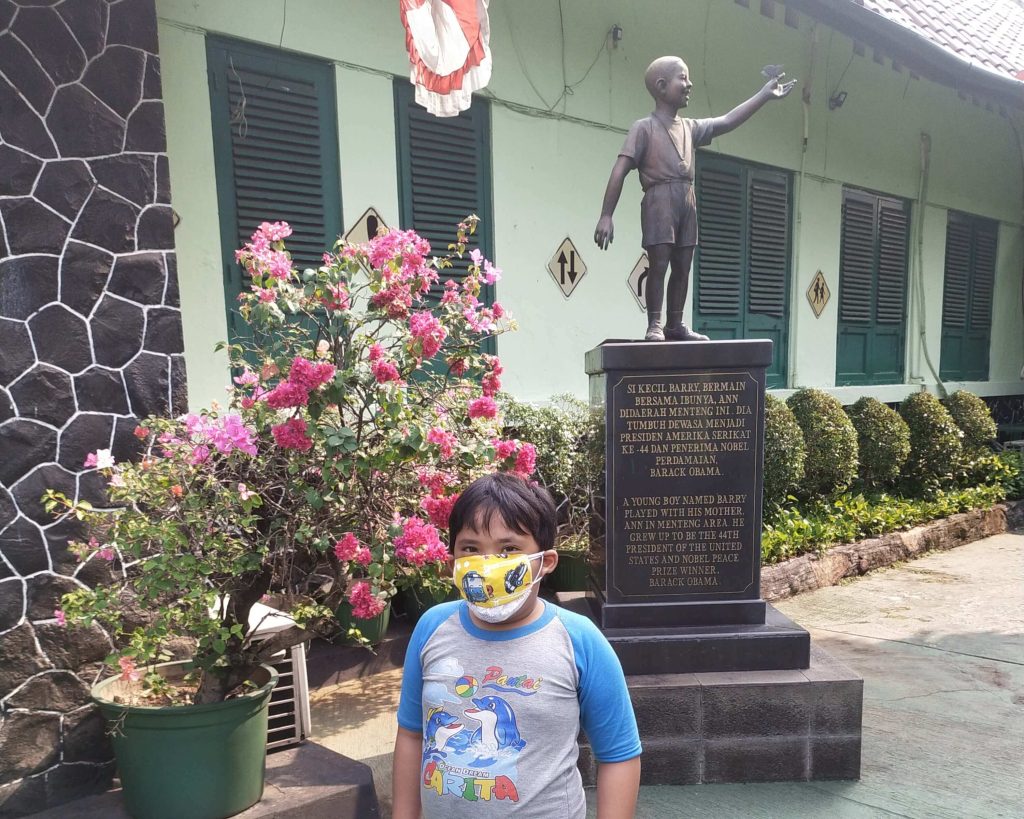
Who would have thought that a child who spent his childhood and attended school in the Menteng area around 1969-1972 would become one of the first black presidents of the United States? Yes, Barack Obama accompanied his mother, Ann Dunham-an anthropology researcher, to Indonesia, living in and was attended elementary school at SDN Menteng 01 Besuki.
During his state visit to Indonesia in November 2010 after becoming US president Obama delivered a speech at the University of Indonesia. Obama or Barry, at that time reminisced about his childhood. Playing barefoot and enjoying typical Indonesian foods like satay and “nasi goreng” / fried rice were among his favourite at that time. Truly unique. 😊
17. Hotel Indonesia Roundabout
(The Monumen of “Selamat Datang”)
Address: Central of Jakarta
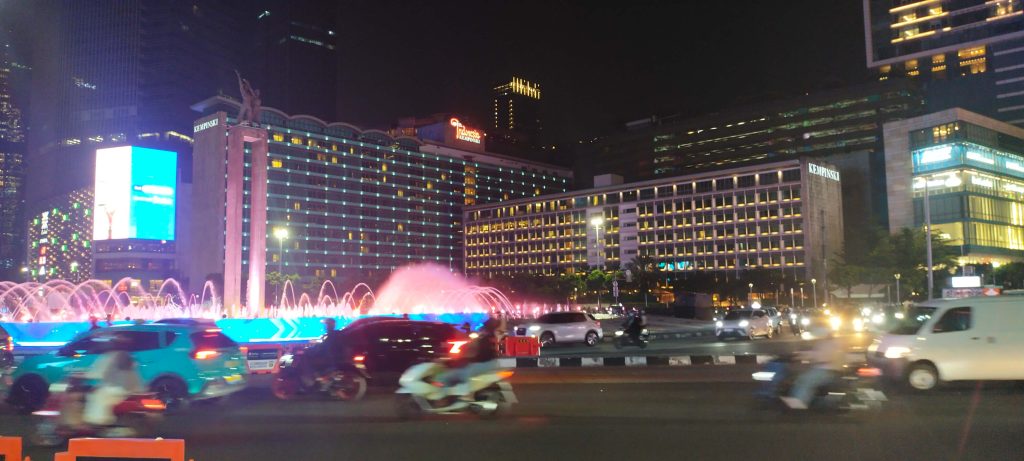
This historic roundabout as one of Jakarta’s iconic landmarks was completed in 1962 to welcome state guests for the 4th Asian Games. In front of it stands the Hotel Indonesia, built to accommodate international athletes from the Asian Games and as an initiative of Indonesia’s first President, Sukarno, to showcase Indonesia’s success to the world.
As a landmark of Jakarta Hotel Indonesia Roundabout serves as a strategic meeting point for the city’s north-south and east-west regions. The area around this roundabout now houses numerous luxury and international-standard hotels, the skyscrapers buildings, and shopping malls showcasing world-class global brands.


Absolutely, it’s amazing how much history is packed into Jakarta’s neighborhoods – I’ve been wanting to explore these sites for ages.