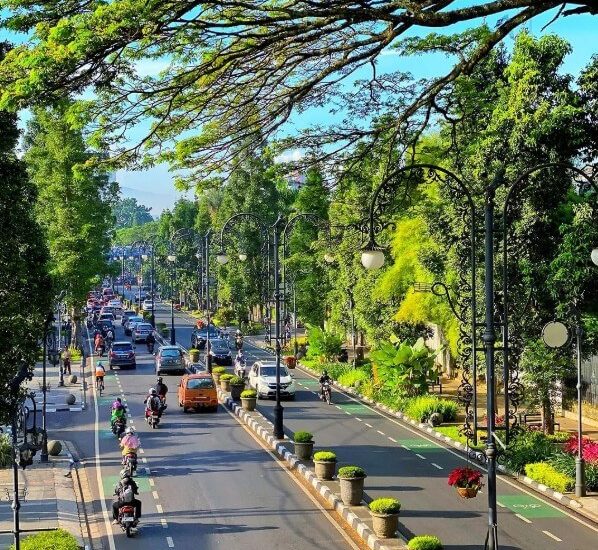
By HellonolanEditors
Bandung can turn one food hunt into several different experiences: heritage cafés on Braga, smoky street stalls in Cibadak, and cool hillside dining near Lembang. The best areas in Bandung, West Java worth visiting for a food hunt each have a distinct style, so choosing the right neighborhoods can save time. This guide covers signature dishes, ideal visiting hours, transport tips, and a practical route through Bandung’s top culinary destinations.
Best Areas in Bandung, West Java Worth Visiting for a Food Hunt
Combine Braga’s Heritage Streets with Café Stops
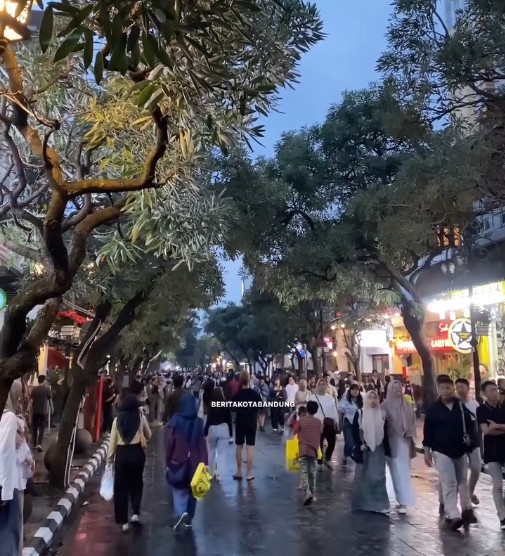
Braga is a strong starting point for a Bandung food hunt. Its old buildings, walkable sidewalks, cafés, bakeries, and restaurants create an easy route for daytime sightseeing, afternoon coffee, and dinner.
Look for coffee, pastries, desserts, Indonesian meals, and modern café menus along Jalan Braga and nearby streets. The contrast between colonial-era façades and new dining spaces gives the area much of its appeal.
Try Classic Bandung Foods Near the City Center
Central Bandung is a useful place to sample batagor, siomay Bandung, mie kocok, nasi timbel, and surabi. Snack stalls work well between sightseeing stops, while restaurants and warungs are better for a full meal.
Pair Braga with Asia Afrika Street, Gedung Merdeka, and nearby public spaces. Visit earlier for easier walking, then return after sunset when the street feels livelier. Parking can be difficult, so use short ride-hailing trips, carry rain protection, and expect busy sidewalks.
Cibadak and Sudirman Street Make Evening Street Food Easy
Explore Cibadak’s (Chinatown) Informal Food Scene
Cibadak suits travelers who want noodles, dumplings, grilled foods, local snacks, and affordable meals in a busy setting. Expect market energy rather than a polished dining district, with small stalls and limited seating.
Before ordering, check food turnover, preparation areas, queue length, and general cleanliness. Freshly cooked items are often a safer choice, especially when visiting during a quiet period.
Visit Sudirman Street for More Variety
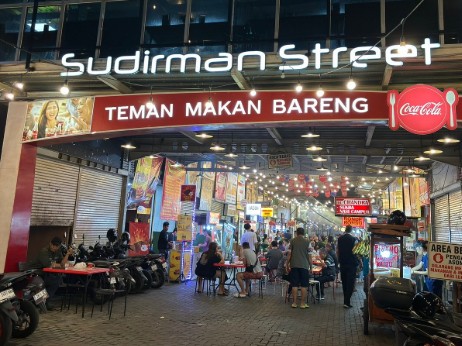
Sudirman Street Day and Night Market offers Indonesian, Chinese-Indonesian, and modern street-food choices in one area. Menus, prices, stalls, and opening days can change, so check recent local updates before visiting.
Dietary labels need care here. Ask vendors whether dishes contain pork, lard, alcohol, seafood, or shared cooking equipment. Vegetarian diners should also confirm that sauces and broths contain no meat.
Arrive before peak dinner hours, bring small cash, and share portions with your group. A short dish list helps because too many choices can turn an evening food crawl into a slow search for seating.
Riau Street Blends Shopping with Cafés and Restaurant Meals
Pair Factory Outlets with Nearby Food Stops
Jalan R.E. Martadinata, usually called Jalan Riau, works well for visitors who want shopping and food in the same half-day. You can stop for coffee, baked goods, Indonesian comfort food, steak, noodles, or dessert without crossing the city.
Many menus here are national or international rather than purely Sundanese. Check the menu before choosing a place if your goal is to find Bandung specialties rather than a familiar restaurant meal.
Look for Modern West Javanese Flavors
Some cafés and restaurants use Sundanese ingredients, grilled dishes, lalapan, sambal, and traditional drinks in more modern settings. These venues can offer polished presentations, while nearby warungs often provide a simpler and more local meal.
A practical Riau route starts with a late breakfast, continues with shopping, adds coffee or dessert in the afternoon, and ends with dinner. Traffic and parking can be frustrating, so walk between close stops or use short ride-hailing trips. Weekdays are usually calmer than weekends.
Dago Offers Views, Cooler Air, and Sundanese Meals
Enjoy Scenic Cafés and Viewpoint Dining
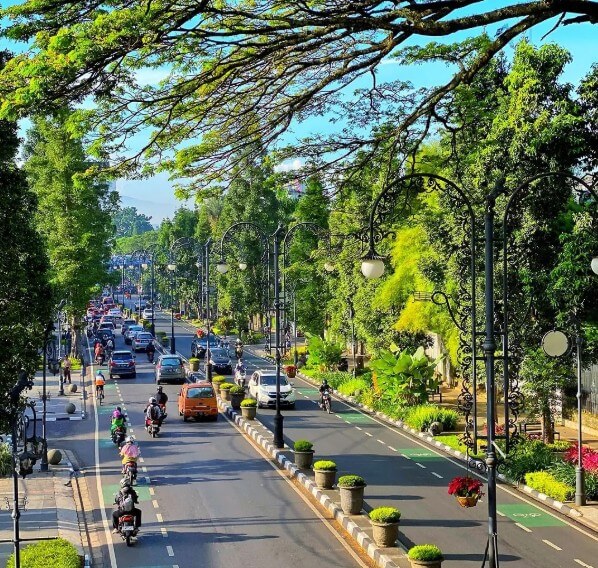
Dago area (Jl.Ir.H.Juanda) includes city-facing cafés, hillside restaurants, and relaxed food venues near northern Bandung attractions. Elevated spots suit coffee, brunch, dessert, and evening views, while traditional warungs usually offer stronger local-food value.
Weather can change quickly on higher roads. Check road conditions, reservation rules, parking, and minimum-spend policies before leaving central Bandung. For a sunset meal, current golden hour timing can help you plan the drive.
Order a Shared Sundanese Spread
Look for nasi timbel, ikan bakar, ayam goreng, lalapan, sambal, karedok, and sayur asem. Groups can share rice, one grilled dish, vegetables, soup, and several sambals for a balanced meal.
Ask about spice levels, cooking methods, and halal status when needed. Dago can also connect with Dago Atas and other northern attractions, but traffic varies sharply. Choose a few priority stops, arrange a driver for distant venues, and keep an indoor café as a rainy-weather backup.
Setiabudi and Lembang Add a Highland Food Experience
Stop for Traditional Snacks
The Setiabudi-Lembang corridor is known for cooler weather, roadside snacks, dairy products, and family dining. Depending on the market and season, you may find surabi, peuyeum, colenak, jagung bakar, and other West Javanese treats.
Busy vendors often have better product turnover. Buy small portions first, especially when trying unfamiliar fermented, sweet, or spicy foods.
Try Dairy Desserts and Farm-Style Meals
Milk drinks, yogurt, cheese, ice cream, desserts, and farm-linked restaurants are common attractions in northern Bandung. Some offer a genuine local food stop, while others are commercial family venues with entrance fees and activity areas.
Check parking charges, ticket prices, reservations, and weather before going. Weekend traffic between Bandung and Lembang can become heavy, so start early, group nearby stops, and bring a light jacket or rain layer. If you are not staying overnight, return before late traffic builds.
Bandung Markets Reveal Everyday Local Flavors
Browse Markets for Breakfast and Snacks
Traditional markets offer a closer look at daily eating habits than many trendy cafés. Pasar Kosambi and other neighborhood markets may have breakfast dishes, cakes, fried snacks, spices, and regional specialties, though conditions and opening times can change.
Visit early, carry small denominations, and ask before photographing vendors. Markets can be crowded, so keep valuables secure and avoid blocking busy walkways.
Compare Street Food with Restaurant Versions
Try batagor, siomay, mie kocok, nasi timbel, and surabi in more than one setting. A market portion may be cheaper, while a restaurant version may offer different toppings, textures, spice levels, and serving sizes.
Choose freshly cooked food, check for clean water and utensils, and be careful with allergies or cross-contact. Halal, vegetarian, vegan, and pork-free diners should ask detailed questions instead of relying on assumptions. If your stomach is sensitive, start with small servings.
Build a Bandung Food Hunt That Saves Time
Match Each Area with the Right Time
Morning suits traditional markets and breakfast stalls. Afternoon works well for Braga walks, Riau shopping, cafés, and snacks, while Cibadak and Sudirman Street are better for evening street food. Dago and Lembang need more planning because weather and traffic can change the return trip.
Group stops by location instead of crossing Bandung for one dish. A central neighborhood, one street-food area, and one northern destination can create a varied itinerary without exhausting travel time.
Use a Dish Checklist Before You Order
Choose one or two priority foods in each area and share portions when possible. A useful checklist includes batagor, siomay, mie kocok, nasi timbel, surabi, peuyeum, Sundanese grilled dishes, and Bandung coffee.
Record prices, portion sizes, spice levels, and favorite stalls as you go. Before leaving, confirm opening hours, temporary closures, menus, payment methods, parking rules, traffic, and dietary details through recent local listings or official channels.
Conclusion: Choose the Area That Fits Your Food Style
Braga suits heritage walks and central-city dining. Cibadak and Sudirman Street bring energetic evening street food, while Riau combines shopping with cafés and restaurants. Dago offers views, cooler air, and Sundanese meals, and Setiabudi-Lembang adds highland snacks, dairy treats, and destination dining.
Traditional markets fill in the everyday flavors at affordable prices. The most rewarding Bandung food hunt usually combines one central neighborhood, one market or street-food stop, and one northern destination. Check current hours, traffic, prices, weather, and dietary information before setting out.
Read also: The 5 Most Best Coffee Shops in Bandung for Local Flavors and Scenic Stops