By Rido Ivanus
An experienced local guide from Yogya shares these recommends and offer tips for visiting.
In late of July 2026, my family and I had the opportunity to visit Yogyakarta during mid-year holidays. We traveled by train, arriving at Station-Tugu in Yogyakarta at dawn—around 5:30 AM. We had made no prior plans regarding our itinerary or about the transportation we would use while in the city; (might be using Grab or Gocar). Everything was intentionally spontaneous.
Around 6 a.m., as we were leaving the station, we’re approached by a young man we initially mistook for a ride-hailing service driver. He asked about our next destination and offered to drive us around in his car. Given the early hour and limited transport options, we just thought, “Why not?” Then we agreed to hire him to take us to a nearby spot for breakfast and on a morning short tour before heading out to the hotel check-in.
It was surprised. By choosing the man (named Nando, who turned out to be an experienced local guide)—led to a wealth of stories and recommends for the best things to do during holidays in Yogyakarta. Then, we visited Kopi Klotok for breakfast based on his recommend. During the trip and while we do breakfast at Kopi Klotok, mas (brother) Nando shared his insights about other legendary local dishes that are highly sought after.
Now, this article presents his recommendations for the legendary foods in Yogyakarta that are most sought after and popular among both locals and tourists. Here are his top picks.
1. GUDEG
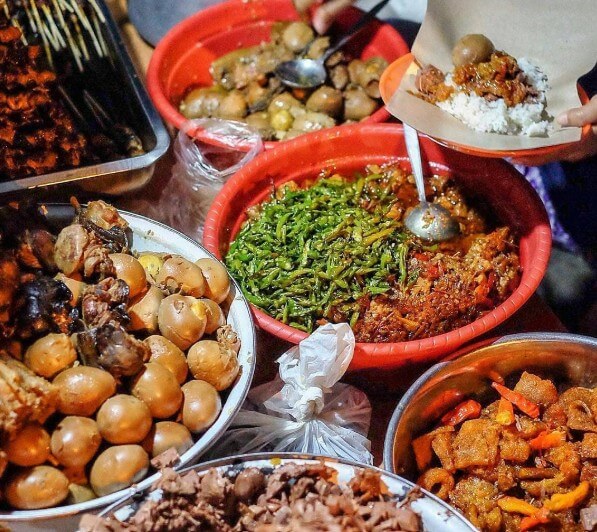
Gudeg is believed to have originated in the 16th century during the establishment of Mataram Sultanate in Alas Mentaok forested area of Kotagede, Yogyakarta. The dish was initially created by soldiers and laborers when clearing the forest, utilizing the abundance of young jackfruit (gori) and coconuts found in the vicinity. The name “Gudeg” derives from the Javanese word hangudek (or ngudhek), meaning “to stir”—referring to the continuous stirring required when cooking the jackfruit with coconut milk and spices in a large vessel over a wood-fired stove.
This dish that a blend of young jackfruit and coconut milk served with rice, eggs, chicken, tofu and tempe, and krecek sauce (a spicy stew made primarily from dried cattle or buffalo skin). These components come together to form a cohesive culinary whole known as Gudeg. A popular myths saying among tourists holds that someone has not truly visited Yogyakarta without tasting its Gudeg. Some of the most legendary and renowned Gudeg establishments include Gudeg Yu Djum, Gudeg Yu Narni, and Gudeg Wijilan Bu Lies.
Read also : 10 Best Gudeg Restaurants in Yogyakarta for Every Kind of Gudeg Craving
2. BAKPIA PATHOK
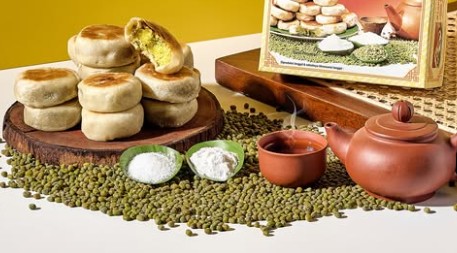
Bakpia Pathok is a traditional, flat, round pastry from Yogyakarta made from a mixture of mung beans and sugar, wrapped in a wheat flour dough and then baked. Originating from the Pathuk neighborhood in Yogyakarta, the pastry represents a fusion of Chinese and Javanese cultures. Many producers use their house numbers as their brand names such as Bakpia Pathok 25 and Bakpia Pathok 75. These pastries pair perfectly with coffee or tea and are a popular souvenir choice for tourists, as they are easily found throughout Yogyakarta.
3. SATE KLATHAK
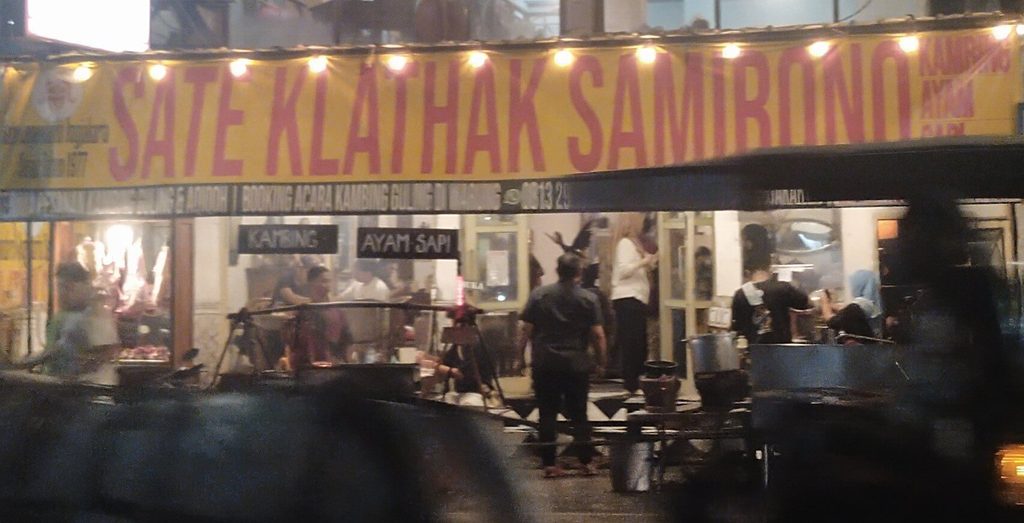
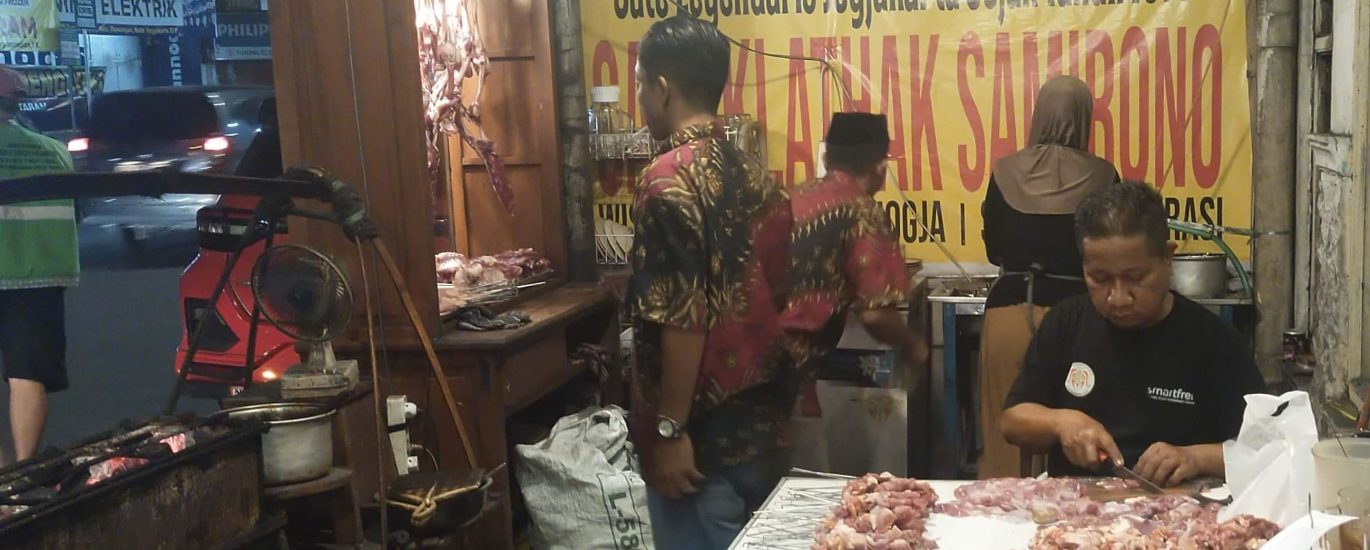
Sate Klathak typical of a distinctive goat satay dish from Bantul Regency, Yogyakarta. It is unique for using iron skewers instead of the traditional bamboo ones. The iron conducts heat efficiently, ensuring the goat meat cooks thoroughly through inside. Unlike other satay varieties, it is not served with soy or peanut sauce instead, the meat is simply seasoned with salt and pepper while grilling. It is typically served with a warm savory goat curry.
The name “Klathak” derived from the crackling sound (klatak!) made when the meat is grilled and sprinkled with salt and pepper. The popular spots to enjoy Sate Klathak include Pak Pong and Pak Bari in Bantul area, as well as Samirono in Yogyakarta’s city center, near Malioboro Street.
4. KOPI KLOTOK
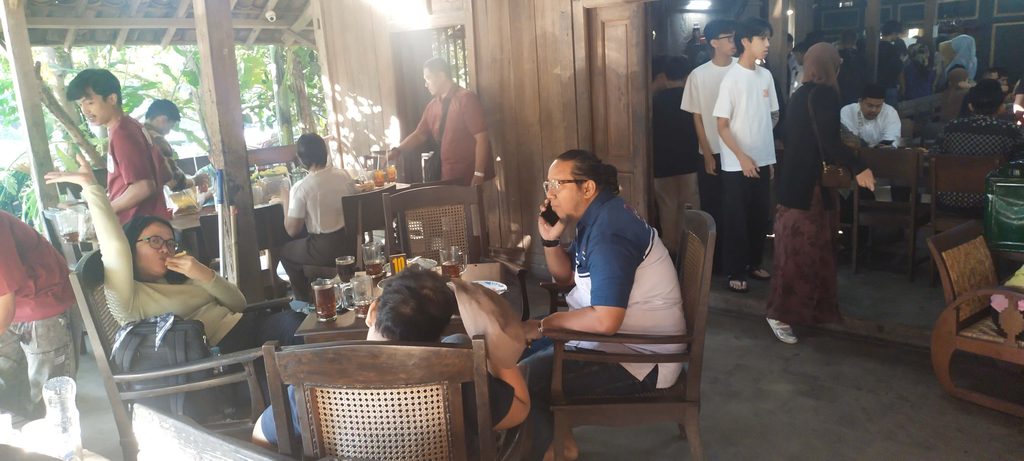
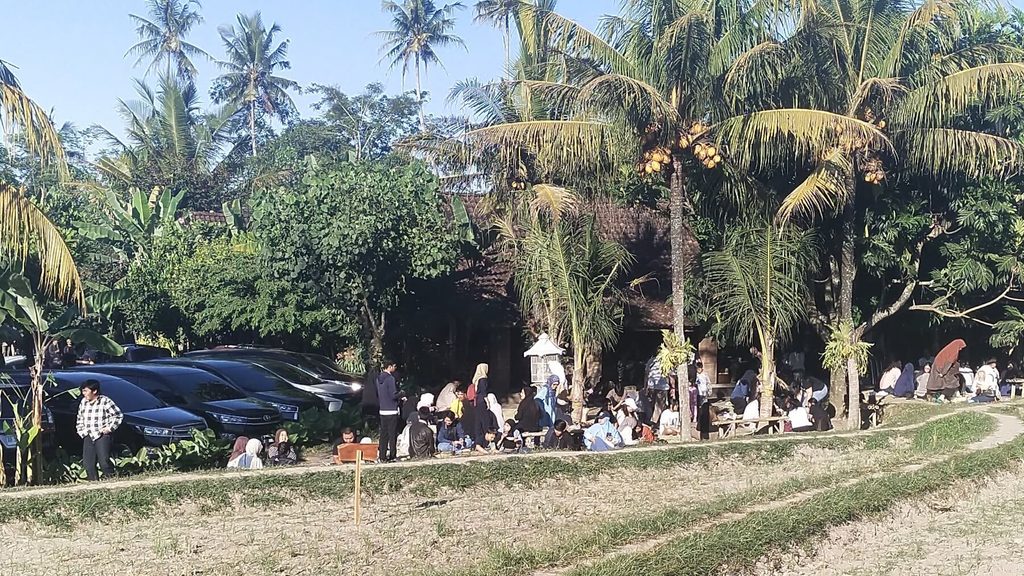
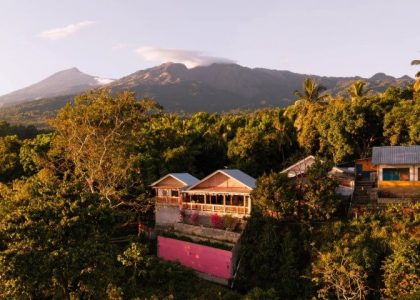
Warung Kopi Klotok occupies a joglo (Java’s typical) house with a spacious yard located at Jl. Kaliurang Km. 16, Pakem-Sleman, Yogyakarta. Behind the house lies an expansive rice field, set against the backdrop of Mount Merapi. The name Klotok derived from the Javanese word “nglhotok”, referring to the sounds made by coffee grounds boiling with water and sugar in a small pot over a wood-fired stove. Beyond coffee and fried bananas, the main menu features rice, omelets, sayur lodeh (vegetable stew in coconut milk), tofu and tempe, and kerupuk (crackers). A unique and striking feature of this eatery is the long queue of visitors that forms as soon as it opens in the morning—especially on weekends and public holidays. Arriving early is the best strategy.
When we arrived around 7:00 AM on a Thursday with our local guide, Nando, the line of visitors was already snaking out of the dining area’s entrance. “This isn’t too bad, actually,” he said. “On weekends or national holidays, the line can stretch all the way to the intersection outside the premises.” We were surprised and immediately joined the queue while Nando looked for a parking spot for the car. Waiting in line didn’t bother us, though; we each ordered rice, an omelet, tofu and tempe, and sayur lodeh—not forgetting, of course, a cup of klotok’s coffee. It was all worth it: a delicious breakfast enjoyed while gazing at the nearby rice fields and the beautiful, misty Mount Merapi in the distance. It’s truly authentic!.
5. SOTO KADIPIRO
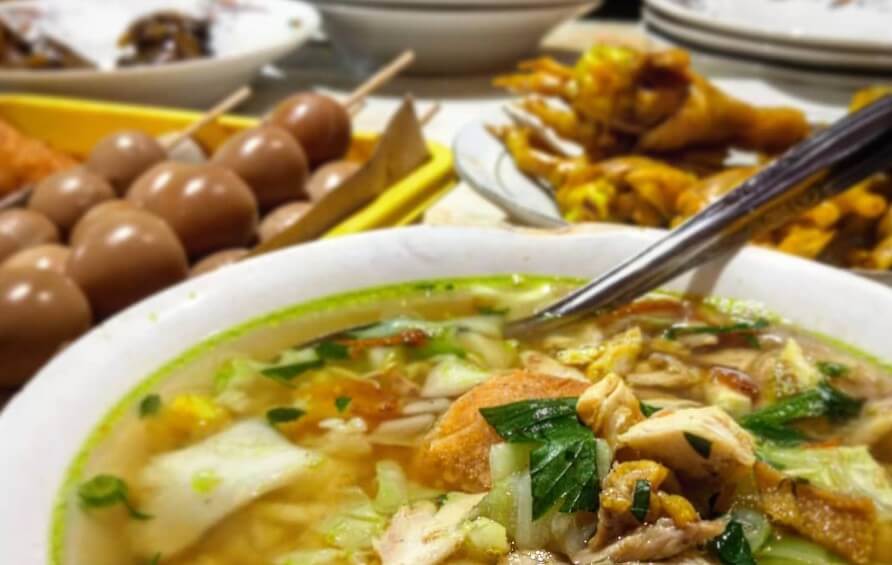
“Soto Kadipiro was one of dish frequently sought after by locals and tourists alike for breakfast or lunch,” said Nando while showing us around. “There are several Soto Kadipiro eateries in Yogyakarta, some of which may still be run by the same family”, he said again. However, according to him, the original establishment—the one that opened first—is located at Jl. Wates No. 33, Kadipiro, Bantul-Yogyakarta.
The main offering is chicken soto/soup featuring a clear, yellow chicken broth infused with turmeric and candlenut, creating a savory flavor profile. You can choose to have the rice mixed directly into the broth or served separately, and complement the meal with side dishes such as fried tempe, quail egg satay, potato fritters (perkedel), chicken thigh, or tender boneless chicken. Soto Kadipiro have been established since 1921, making it one of the oldest and most legendary soto soups in Yogyakarta.
6. BAKMIE DJOWO
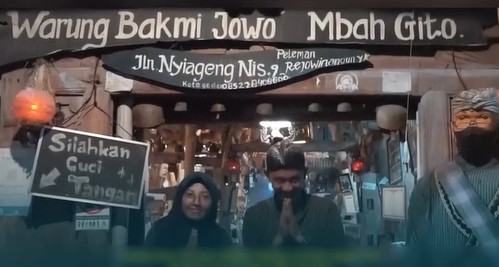
Bakmi Djawa (Javanese-style noodles)—specifically Bakmi Godog (boiled noodles)—is a favorite among tourists and locals craving the taste of rustic, village-style Javanese noodles. While noodle dishes are often prepared in a Chinese style using house-made oil, the hallmark of Bakmi Jawa or Bakmi Godog lies in its broth. The broth is crafted from authentic Indonesian spices and cooked in small woks over wood-fired stoves. These noodles can be ordered either as a soup dish (godog) or fried (goreng), mixed with sliced chicken, egg, and vegetables.
One of popular spot for Bakmi Djawa in Yogyakarta is Bakmi Jawa Mbah Gito, renowned for its traditional Javanese atmosphere and delicious noodle dishes, such as bakmi godog and bakmi goreng. The venue is also unique; its interior is adorned with various antiques and exudes a strong traditional Javanese ambiance, making the dining experience all the more engaging.
7. MANGUT LELE
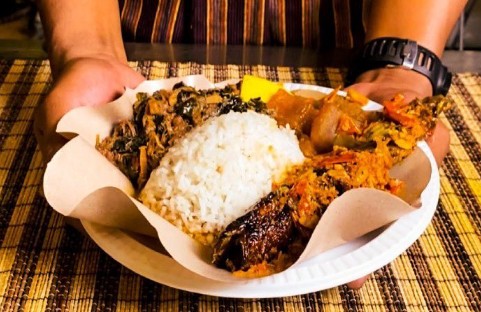
Unfamiliar with this word? 🙂 Mangut lele was a dish featuring catfish which been first smoked and then drenched in a mangut sauce—a spicy coconut milk-based broth rich in aromatic spices. While the main ingredient is typically catfish, other options include stingray or manyung (a type of marine catfish). This is a traditional dish from Central Java and Yogyakarta. Although has a long history, it has become somewhat rare to find these days. Consequently, both tourists and locals actively seek it out to savor the delicious combination of the aromatic, spicy broth and the savory, smoked catfish.
One of the most famous and popular spots mangut in Yogyakarta is Mangut Lele Mbok Marto Ijoyo, located on Jalan Sewon Indah, Ngireng-ireng, Panggungharjo, Sewon-Bantul Regency. While there are many mangut lele eateries in Yogyakarta, Mbok Marto’s is considered legendary—having been open since 1969—and offers the unique experience of self-service directly from their traditional pawon (kitchen).
Tips for visiting:
If you’re in visiting Yogyakarta and wish to try some of the above legendary dishes, consider the following:
1. Decide beforehand which dishes appeal most to your appetite or pique your curiosity the most. This ensures that your desire for an authentic culinary adventure in Yogyakarta is truly satisfied. 😊
2. Check the details of the eateries you plan to visit—such as opening hours, location (travel distance), and whether there are usually long queues—via their official websites. Arriving early at places like Kopi Klotok, for instance, is a great idea.
3. Explore and document the unique characteristics of the eateries and their surrounding areas—beyond just the authentic flavors—to enrich your life experience.
“Enjoy and Happy, Eating!” 😊